

How to Deal with Back-Markings on Tile Surfaces
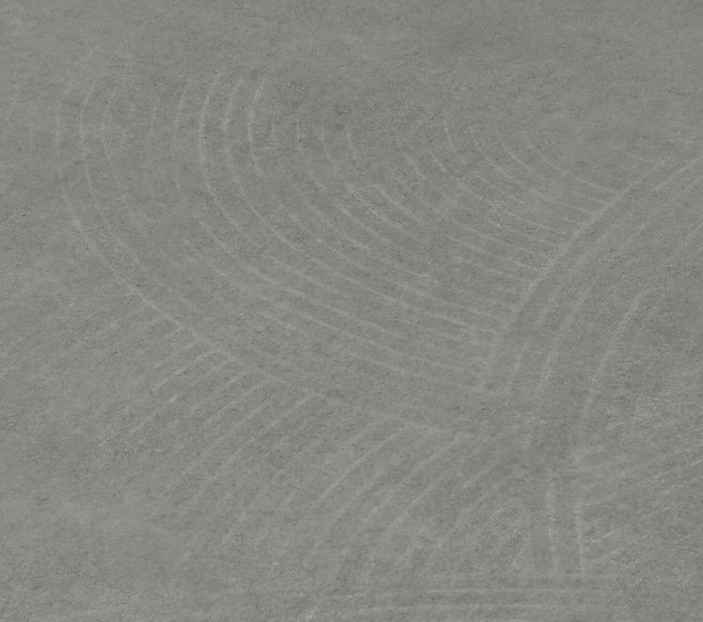
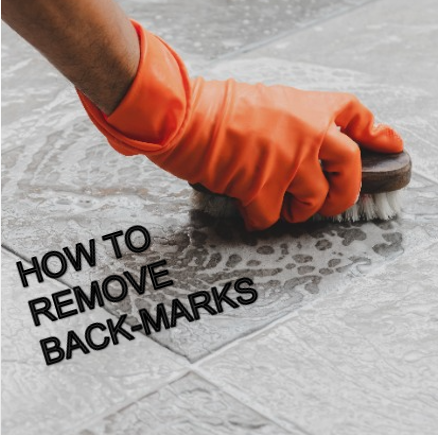
"Back-Markings" (also known as grid marks or texture marks) on tile surfaces are common issues occurring during construction, storage, and transportation. Below is a systematic guide on prevention measures and removal solutions:
I. Causes of Back-Markings
Back-markings are traces formed when the grid texture on the tile back (biscuit) or back powder (alumina powder or anti-adhesion materials) transfers to the tile surface under pressure and moisture. This primarily occurs in the following scenarios:
Packing and Storage: Stacking tiles with backs facing downward allows back powder/paste to penetrate the surface capillaries under pressure.
Processing and Cutting: Recirculating water at processing plants containing acidic or alkaline substances allows back powder to penetrate the surface when wet tiles are stacked.
Transportation and Stacking: Prolonged pressure combined with humid environments causes back textures to transfer to unprotected tile surfaces.
II. Prevention Measures
1. Packing and Storage Phase
Keep Dry: For outdoor storage, implement rain and moisture protection measures to prevent tile bodies from carrying moisture and heat, which can cause back powder adhesion.
Back-to-Back or Face-to-Face Stacking: Processed samples should be stacked face-to-face with faces touching.
2. Construction and Processing Phase
Immediate Cleaning: Tiles should be wiped dry immediately after processing; do not stack wet tiles.
Surface Protection: During construction, lay pearl cotton (EPE foam) on tile surfaces and seal joints with sealing tape to prevent sand and stones from entering through gaps.
Water Quality Control: Avoid direct immersion of tiles in recirculating processing water containing acids or alkalis, which can corrode the surface and allow back powder penetration.
III. Removal Solutions
Attempt the following in order, based on the severity of the marks:
Light Marks (Surface Residue)
|
Method |
Procedure |
Application |
|
Putty Powder White Cement Dry Rub |
Sprinkle a small amount of putty powder, white cement, or white tile grout on the mark and rub vigorously with a dry cloth, using the powder's adsorption properties to remove the marking |
Fresh light marks that have not penetrated deep into pores |
|
Laundry Detergent Scouring Powder |
Apply a small amount of laundry detergent or scouring powder to a dry cloth and rub the marked area directly |
Light surface contamination |
Medium Penetration (Visible Marks but No Color Change)
|
Method |
Procedure |
Application |
|
Specialized Tile Cleaner |
Use professional products such as "Shield King Tile Cleaner" or equivalent. Spray according to instructions, allow to sit, then wipe with soft cloth |
Light penetration marks; test on a small area first |
|
Mentholated Balm + Toothpaste |
Apply mentholated balm (essential balm) to the mark, cover with a wet towel for 3 minutes to soften, then gently brush with toothpaste using a soft-bristle toothbrush |
Small stubborn marks |
|
White Vinegar Solution |
Mix white vinegar and water 1:1, spray on the area, allow to sit for 10-15 minutes, then wipe with soft cloth |
Mineral-based back powder deposits |
Heavy Contamination (Dark Marks or Dried Residue)
|
Method |
Procedure |
Application |
|
Nano Repair Paste Polishing |
Hire a professional marble mirror-polishing technician to perform shallow grinding with nano repair paste, removing the contaminated surface layer, followed by anti-stain treatment |
Severely stained matte/finish tiles or rustic tiles |
|
Polishing and Refinishing |
For fully polished glazed tiles or polished tiles, lightly polish away a surface layer (approximately a few microns), then reapply anti-stain treatment and polish |
High-gloss surface tiles; however, this may cause color difference between treated and surrounding areas, requiring overall treatment |
IV. Important Warnings
Avoid Strong Acids: Hydrochloric acid, oxalic acid, and similar strong acids can corrode the tile glaze, causing more severe discoloration and damage.
Do Not Use Steel Wool: Steel wool will scratch the tile surface, causing irreversible damage.
Color Difference Risk: Polished areas may appear brighter and newer than surrounding tiles, potentially requiring uniform treatment of entire walls or floors to achieve consistency.
Timeliness Principle: The earlier marks are addressed, the better; over time, penetration deepens and removal becomes more difficult.
Best Strategy is Prevention: Ensure "tile backs never touch tile faces" at every stage—processing, transportation, and construction is the fundamental solution to preventing back-markings.